Emoji Were Born in Japan in 1999: The Story of World Emoji Day on July 17
This article was translated from Japanese and was originally written for readers in Japan.
Every year, July 17 is “World Emoji Day.” It is an international day celebrating emoji, set because the calendar emoji on smartphones displays "July 17." And what is surprisingly little known is the fact that the origin of the universal word "emoji" lies in Japan. In 1999, the 176 emoji that Shigetaka Kurita created for "i-mode," NTT DOCOMO's mobile internet service, were the beginning. In this article, we look back at how emoji culture from Japan spread to the world and consider hints for posts that convey feeling.
A universal language from Japan that began with 176 characters#
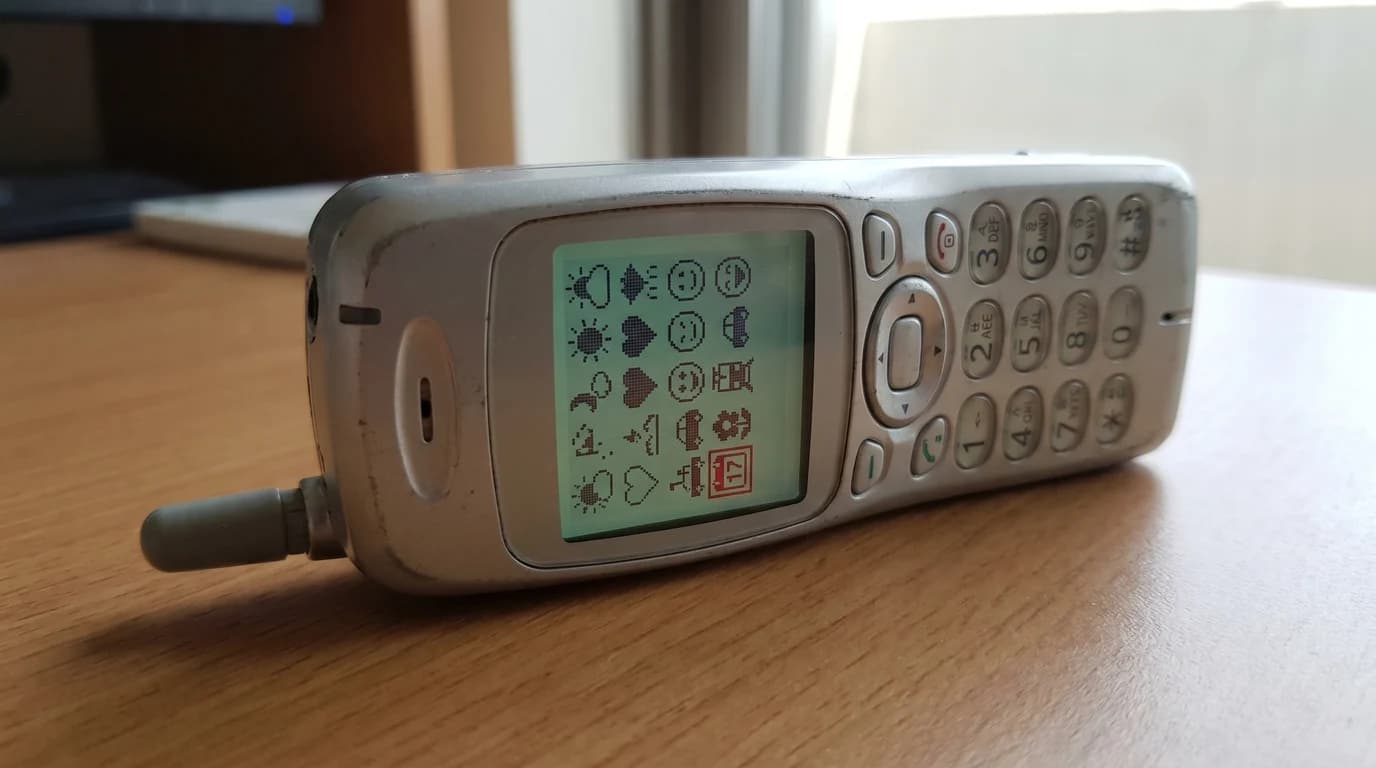
Emoji were not glamorous from the start. They were born as a collection of small symbols at a very coarse resolution of 12×12 dots.
- Development took just under a month: In the limited time, 176 that were needed for daily life, such as weather, moods and vehicles, were chosen
- The purpose was "saving characters" and "filling in feelings": It was a device for conveying even the emotional temperature in a short message
- Acquired by MoMA (the Museum of Modern Art in New York): These 176 entered the museum's permanent collection in 2016 and were recognized as cultural heritage
Just 176 plain symbols were later incorporated into Unicode (the worldwide standard character encoding) and became a language used on smartphones all over the world. This origin is also why "emoji," a Japanese word, became a global word as is.
Emoji are a tool for carrying "temperature"#
Here is the main point. The purpose for which emoji were created was to fill in the emotional temperature that is hard to convey with text alone. Even the same "Got it" can become cold or warm with just one emoji added. This is an essential point in posting, too.
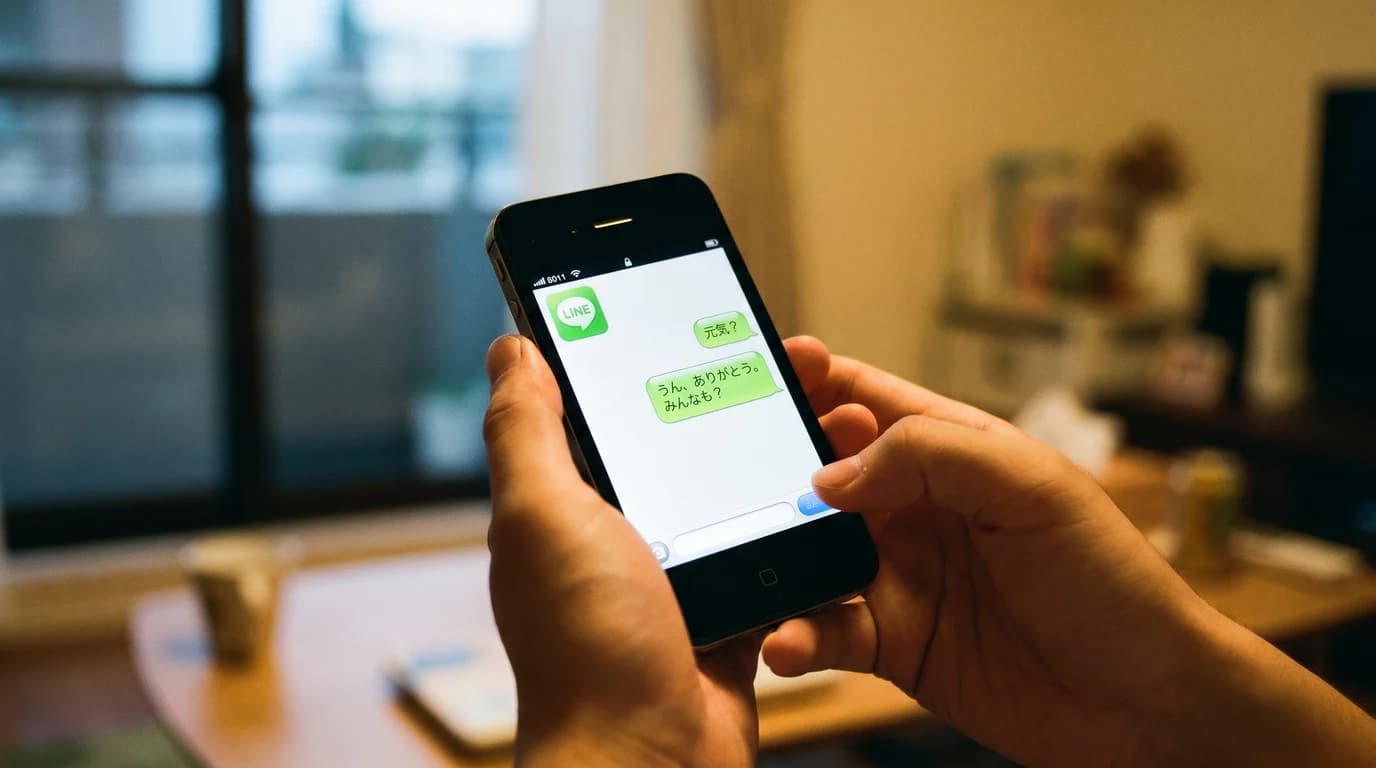
Unlike face-to-face conversation, text on social media has neither facial expressions nor tone of voice. That is exactly why a small emoji or symbol plays the role of preventing misunderstandings and conveying your personality. That said, it is also true that piling them on makes text hard to read. In many cases, adding one or two at the key points carries the temperature with nothing lacking and nothing in excess. Using them as a tool, without straining, is just the right balance.
Try being aware of the "temperature setting" of your posts#
If you feel your writing tends to look cold, or is hard to get across, being aware of adjusting the temperature changes things.
- Add one at the end of a sentence: A single emoji at the end of a sentence can soften a stiff impression
- Don't overuse them: Putting several in one sentence makes it hard to read. Keep them to the key points
- Change by medium: Use different temperature settings for casual places and more business-oriented places
There is no right answer as to whether to use emoji or not. Find a comfortable temperature that matches your own character and your readership. You don't need to force yourself to follow trendy ways of using them.
Summary#
Emoji originate in 176 symbols born at NTT DOCOMO in Japan in 1999, and July 17 is World Emoji Day. There are three things to remember. First, the roots of the universal word "emoji" are in Japan. Second, emoji are an invention for carrying the "temperature" that text alone cannot convey. Third, adding them at the key points without piling them on is just right. If you feel your posts look cold, try being just a little aware of the temperature setting. You are sure to find a way of communicating that is your own.
For those of you who understand the temperature of how to communicate but find it hard to write differently for each platform every time: Toukoukun is a tool where you register what your work stands for once, and AI writes tailored copy to match the tone of each medium. As a tool for comfortably keeping up posts that get through, feel free to take a look at the dashboard.